
Difference between Single-Walled and Multi-Walled Carbon Nanotubes: How to Choose Based on Conductivity
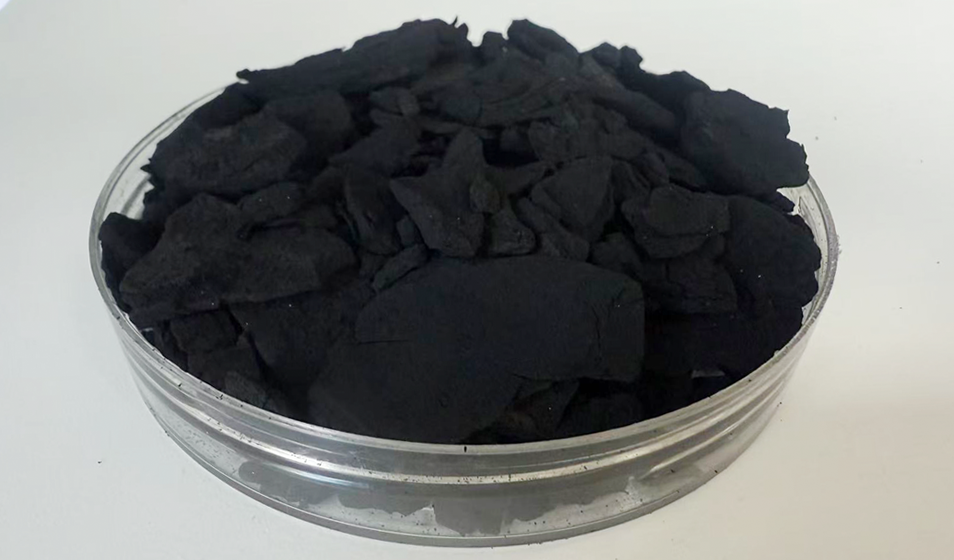
Composite materials, battery conductive additives, semiconductor thermal management, and electromagnetic shielding R&D often face a critical challenge: selecting the right carbon nanotubes (CNTs). Single-walled CNTs (SWCNTs) and multi-walled CNTs (MWCNTs) may appear similar, yet they differ significantly in conductivity, loading requirements, cost, and industrial scalability. Nanhang New Materials deconstructs the fundamental structures of both types to explain their distinct conduction mechanisms and performance differences. We provide selection guidance tailored to applications in power batteries, AI servers, and aerospace. As high-end industries evolve, demand for low-loading, highly stable SWCNTs continues to rise. Leveraging our proprietary physical arc discharge technology, Nanhang has achieved commercial-scale production of high-quality SWCNTs, delivering advanced nano-filler solutions for cutting-edge projects.
Engineers developing composite materials, battery conductive additives, semiconductor thermal management, or electromagnetic shielding often grapple with the same challenge:
Single-walled or multi-walled carbon nanotubes: which one to choose?
Despite sharing the same name, carbon nanotubes vary drastically in conductivity, required dosage, cost, and industrialization feasibility. Choosing the wrong type can cause your formula to miss performance targets and waste valuable R&D cycles.
Nanhang New Materials breaks down the underlying structure, conduction principles, and application selection in one go. Review this guide to choose the right materials for your project immediately.
I. Underlying Architecture: A Single Character Difference, A Completely Different Micro World
Carbon nanotubes are one-dimensional nanotubular materials formed by rolling graphene sheets. The core difference between the two lies in their wall structure.
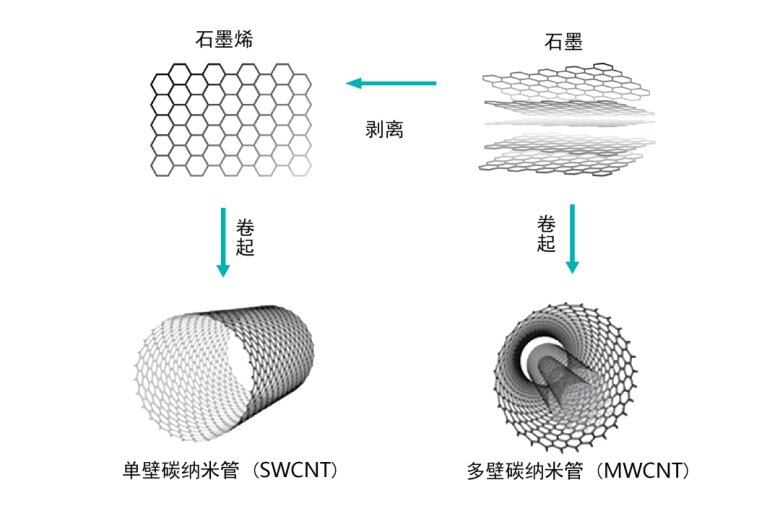
✅ Single-Walled Carbon Nanotubes (SWCNT)
A single layer of graphene seamlessly rolls into a hollow cylinder with a diameter of just 0.7–2 nm, approaching the molecular scale.
Single-walled carbon nanotubes (SWCNTs) are classified as metallic or semiconducting, with chirality directly determining their electrical properties. An ideal individual metallic SWCNT exhibits ballistic transport: electrons move through the tube with minimal scattering. Its current-carrying capacity far exceeds that of copper, making it a high-performance solution among one-dimensional nanomaterials.
✅ Multi-Walled Carbon Nanotubes (MWCNT)
Multi-walled carbon nanotubes feature concentric graphene layers resembling nested Russian dolls, with diameters typically ranging from 5 to 50 nm. Conductivity is primarily governed by the outermost wall, while inner walls mainly provide mechanical reinforcement. Defects between layers can cause electron scattering, resulting in a lower conductivity limit compared to single-walled carbon nanotubes.
2. Key Point: Conductivity Comparison – The Core of Selection
Many mistakenly believe that "all carbon nanotubes have similar conductivity," which is a common misconception in R&D.
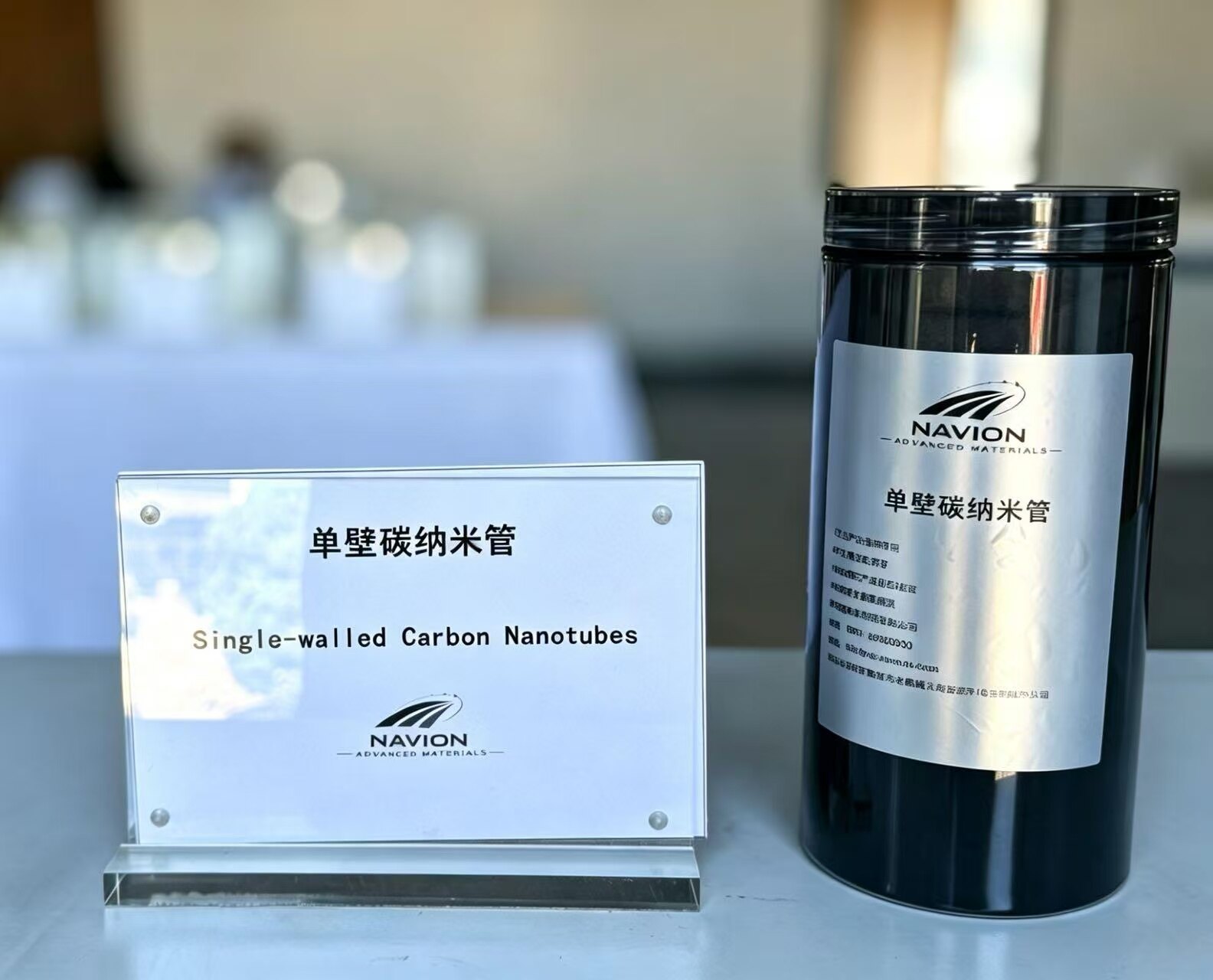
1. Conductivity: Single-walled carbon nanotubes lead significantly.
Ideal single-walled carbon nanotubes (SWCNTs) exhibit ballistic transport, achieving current densities over 1,000 times that of copper. This is an intrinsic property of individual tubes; macroscopic composites cannot reach this level due to dispersion and purity limitations.In well-dispersed formulations, single-walled carbon nanotubes (SWCNTs) are significantly more efficient than multi-walled carbon nanotubes (MWCNTs) at building 3D conductive networks at the same loading level.
With a higher aspect ratio, continuous conductive pathways form at extremely low loading levels. In many systems 0.2wt%, even lower loadings can achieve target conductivity while minimizing filler content to better preserve the mechanical properties of the base material.
2. Multi-walled carbon nanotubes: Sufficient, but require higher loading.
Multi-walled carbon nanotubes (MWCNTs) offer good conductivity, but achieving the same performance requires a significantly higher loading. Excessive filler can lead to agglomeration and increased viscosity, impairing processability and reducing composite strength.
3. Scenario-Based Selection Guide | Tailored to Your Project
✅ Ideal for single-walled carbon nanotubes
Silicon Anodes and High-Energy-Density Batteries: Silicon materials undergo significant volume expansion during charge/discharge cycles. Single-walled carbon nanotubes (SWCNTs) form a long-range network that maintains electrode structural stability, enabling low additive loading without compromising active material space.
AI servers, thermally and electrically conductive composite materials for semiconductor packaging;
Aerospace lightweight conductive and electromagnetic shielding components
Flexible conductive films, sensors, and nanoelectronic devices;
High-end resin modification achieves integrated conductivity and reinforcement at extremely low filler loading.
!✅ Ideal for multi-walled carbon nanotubes
Conductive additives for conventional lithium-ion and energy storage batteries;
Antistatic modification of general-purpose engineering plastics;
![]()
Cost-constrained mass production project where ultimate conductivity is not required.
4. Industry Trends: Accelerated Industrialization of Single-Walled Carbon Nanotubes; Breakthroughs in High-End Equipment Materials
With the surge in AI servers, low-altitude economy, semiconductors, and next-generation power batteries, market demand for nano-carbon materials has evolved beyond simple conductivity. Today's requirements emphasize low loading, high stability, high purity, and minimal impurities. Historically, single-walled carbon nanotubes (SWCNTs) faced significant mass-production challenges due to manufacturing constraints. Leveraging its proprietary physical arc discharge process and continuous iteration, Nanhang New Materials has achieved industrial-scale production of high-quality SWCNTs. This breakthrough is enabling an increasing number of premium projects to transition from multi-walled to single-walled systems.
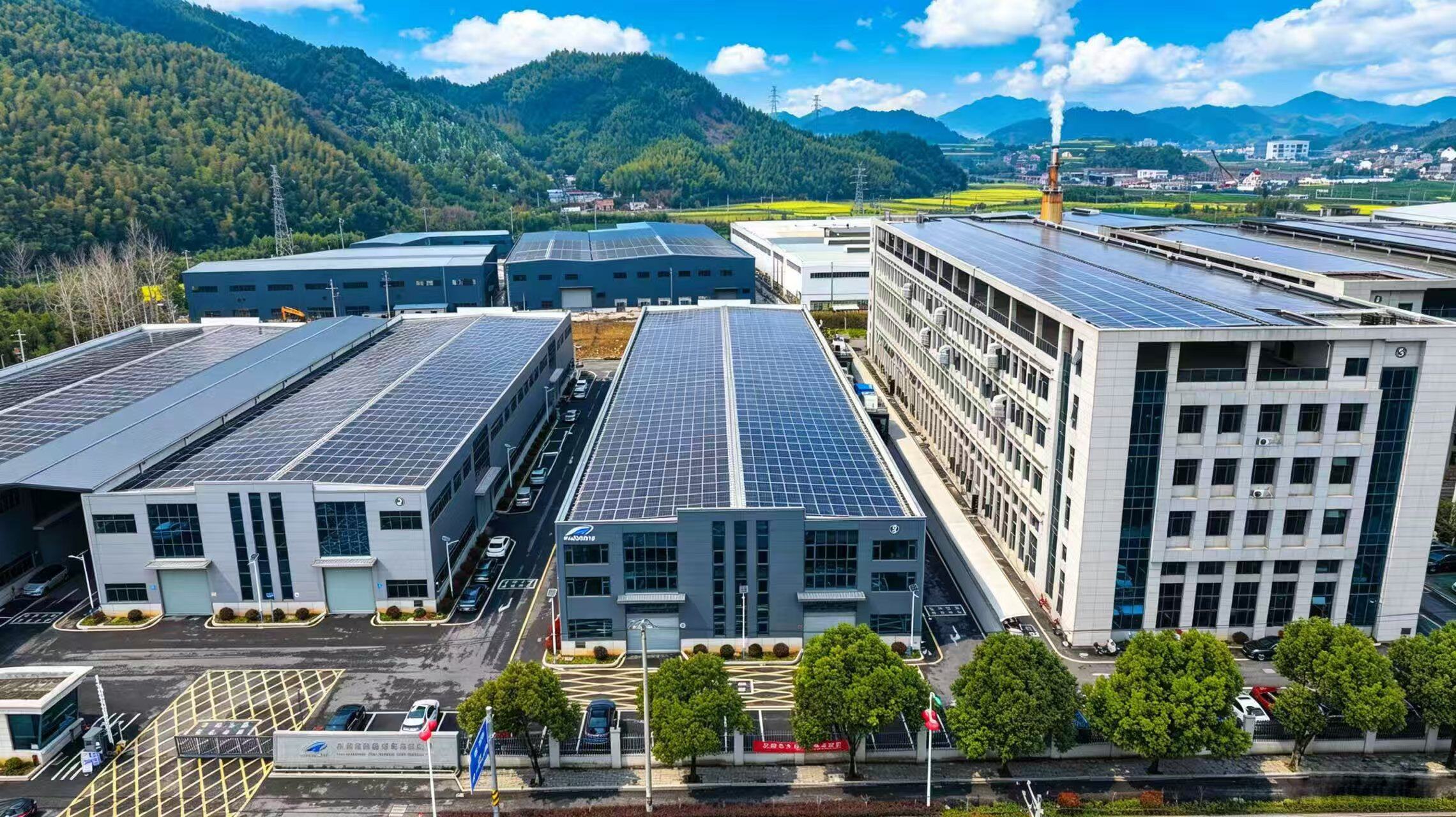
In the advanced materials sector, Nanhang New Materials' single-walled carbon nanotubes provide reliable nanofiller solutions for high-end equipment.