
47.3% game-changer: Carbon nanotubes surpass carbon black; single-walled CNTs emerge as the core requirement for next-gen batteries.
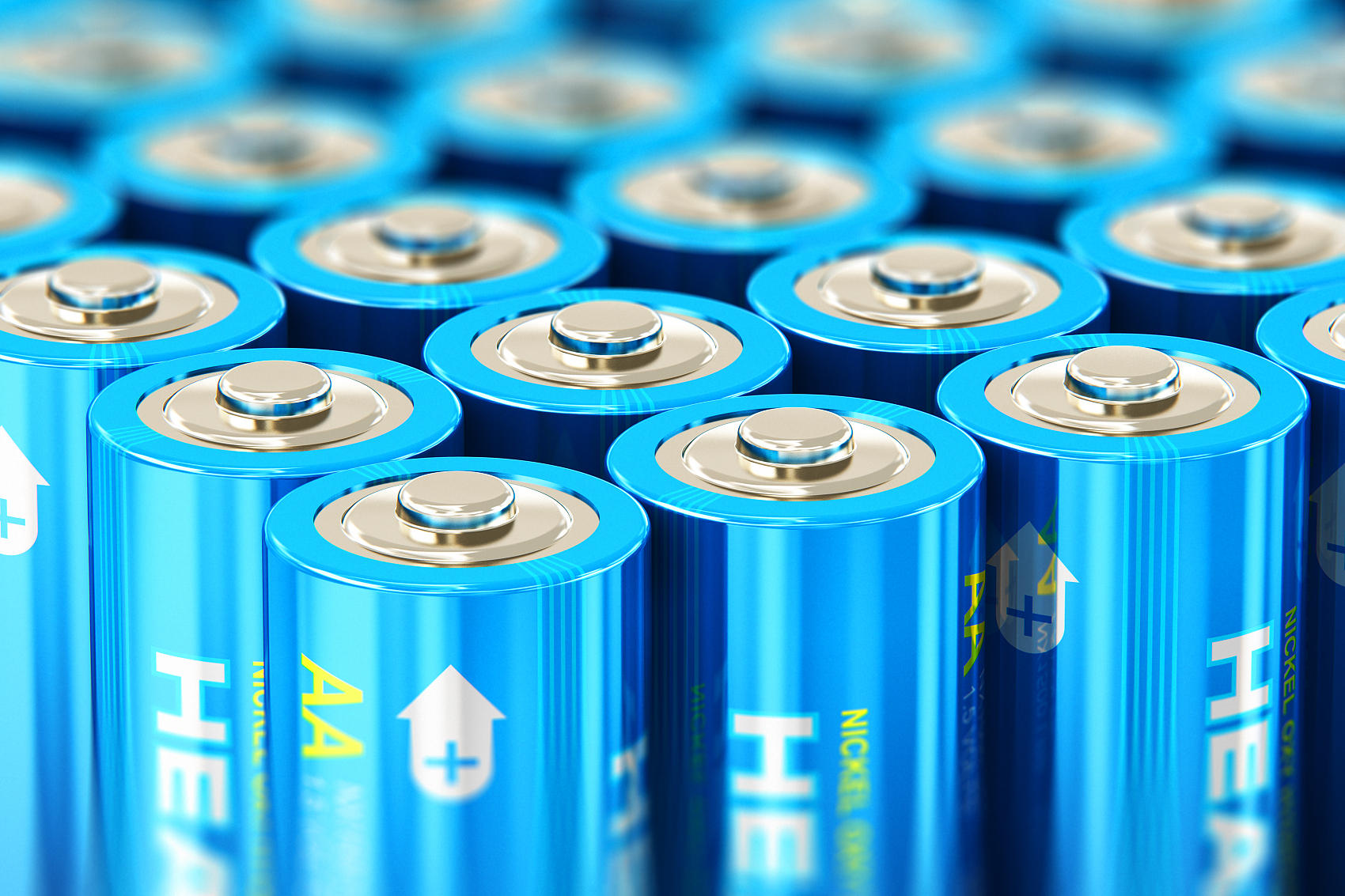
The lithium-ion conductive additive landscape is reaching an inflection point, with single-walled carbon nanotubes (SWCNTs) emerging as the core conductive filler for next-generation batteries. Nanhang New Materials has achieved industrialization of its proprietary physical arc-discharge SWCNT technology, delivering localized carbon-based new material solutions for high-end applications in new energy, semiconductors, and aerospace.
The lithium-ion conductive additive sector is on the verge of a historic market shift. On 8 15, Industry World officially released its "Special Report on Global Lithium-Ion Conductive Additive Market Trends 2026", signaling a definitive industry inflection point. According to the report's forecast,In 2026, carbon nanotube-based conductive agents, leveraging their superior ability to construct conductive networks, are projected to capture a market share of 47.3%, surpassing traditional carbon black products for the first time. The long-standing market dominance of carbon black in lithium battery conductive agents has been officially overturned.
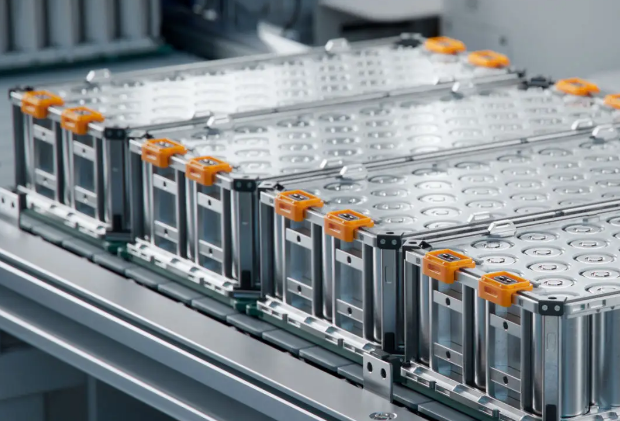
This round of share shifts is not a simple iteration in the traditional lithium-ion battery market. Instead, it reflects a structural demand surge driven by the deployment of next-generation battery technologies, including silicon-carbon anodes, ultra-fast charging, sodium-ion batteries, and solid-state batteries.Higher energy density, faster charging speeds, and a wider operating temperature range place stricter demands on conductive additives upstream, requiring improved conductivity efficiency, cycle stability, and adaptability to real-world conditions.
To meet the stringent requirements of next-generation batteries,Traditional carbon black and standard multi-walled carbon nanotubes are increasingly showing limitations.
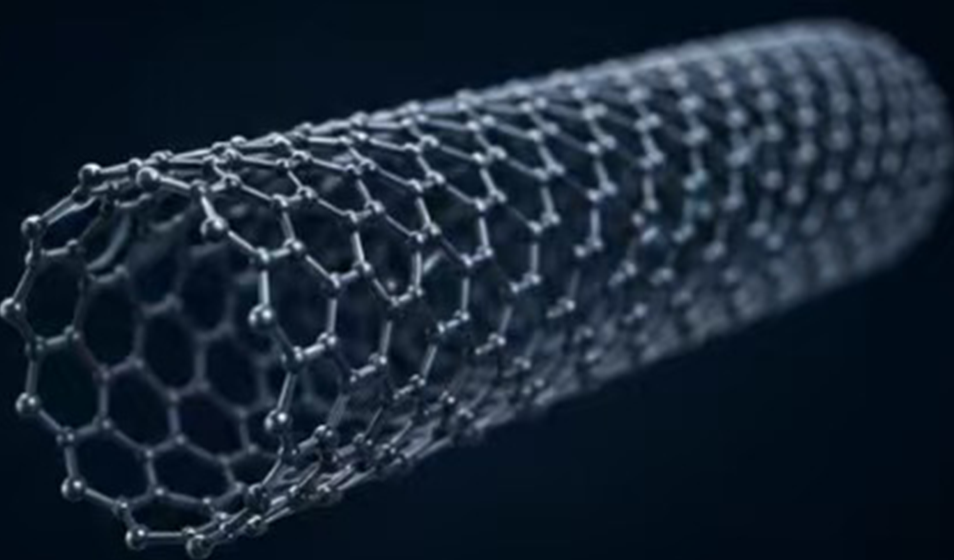
As the "invisible skeletal material" for next-generation batteries, single-walled carbon nanotubes (SWCNTs) are not merely an upgraded version of multi-walled carbon nanotubes. Formed by rolling a single layer of graphene into a tube, SWCNTs boast an exceptionally high aspect ratio. When well-dispersed, they require only minimal loading to construct a fully interconnected 3D conductive network within the electrode.
In response to the massive volume expansion and particle pulverization that silicon-carbon anodes and tin-based sodium-ion anodes undergo during charge/discharge cycles, the high toughness of SWCNTs enables them to form a nano-network that anchors active material particles. This mitigates the risk of conductive pathway breakage, thereby enhancing cell cycle life, fast-charging capability, and performance across extreme temperatures.
There is also a widespread consensus on the industrial side:In solid-state battery systems, single-walled carbon nanotube (SWCNT) demand is approximately 3‑5 times that of traditional liquid lithium-ion batteries. Sodium-ion batteries have inherently lower conductivity and similarly exhibit high demand elasticity for high-performance SWCNTs.
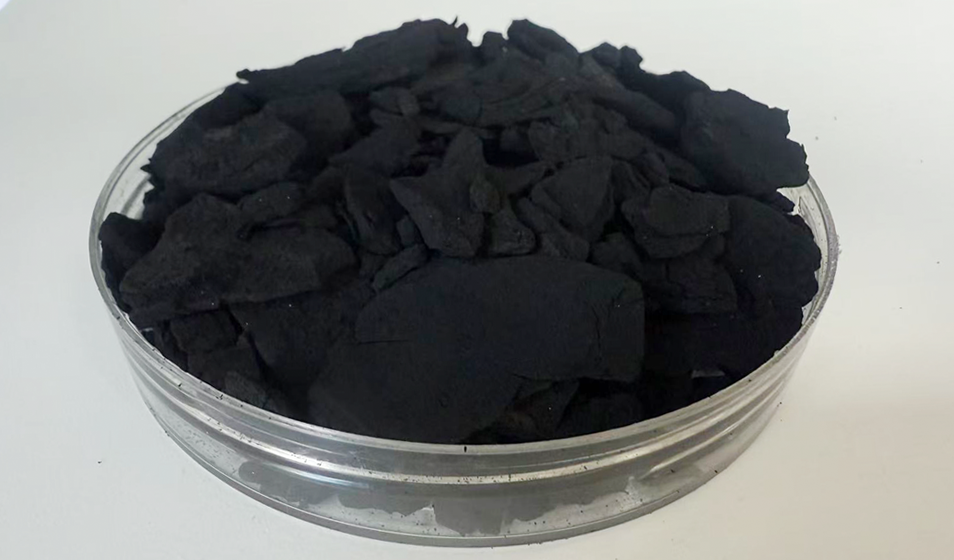
In the overseas high-end power battery sector, single-walled carbon nanotubes (SWCNTs) are being industrially adopted and included in material selection lists for premium cells to optimize anode fast-charging performance and cycle life.
For years, the core supply of high-end industrial single-walled carbon nanotubes has been controlled by overseas companies. Domestic downstream enterprises often face practical challenges such as long import lead times, high procurement costs, unstable batch deliveries, and a lack of localized customization support.Promoting the domestic production of single-walled carbon nanotubes has become an industry imperative.
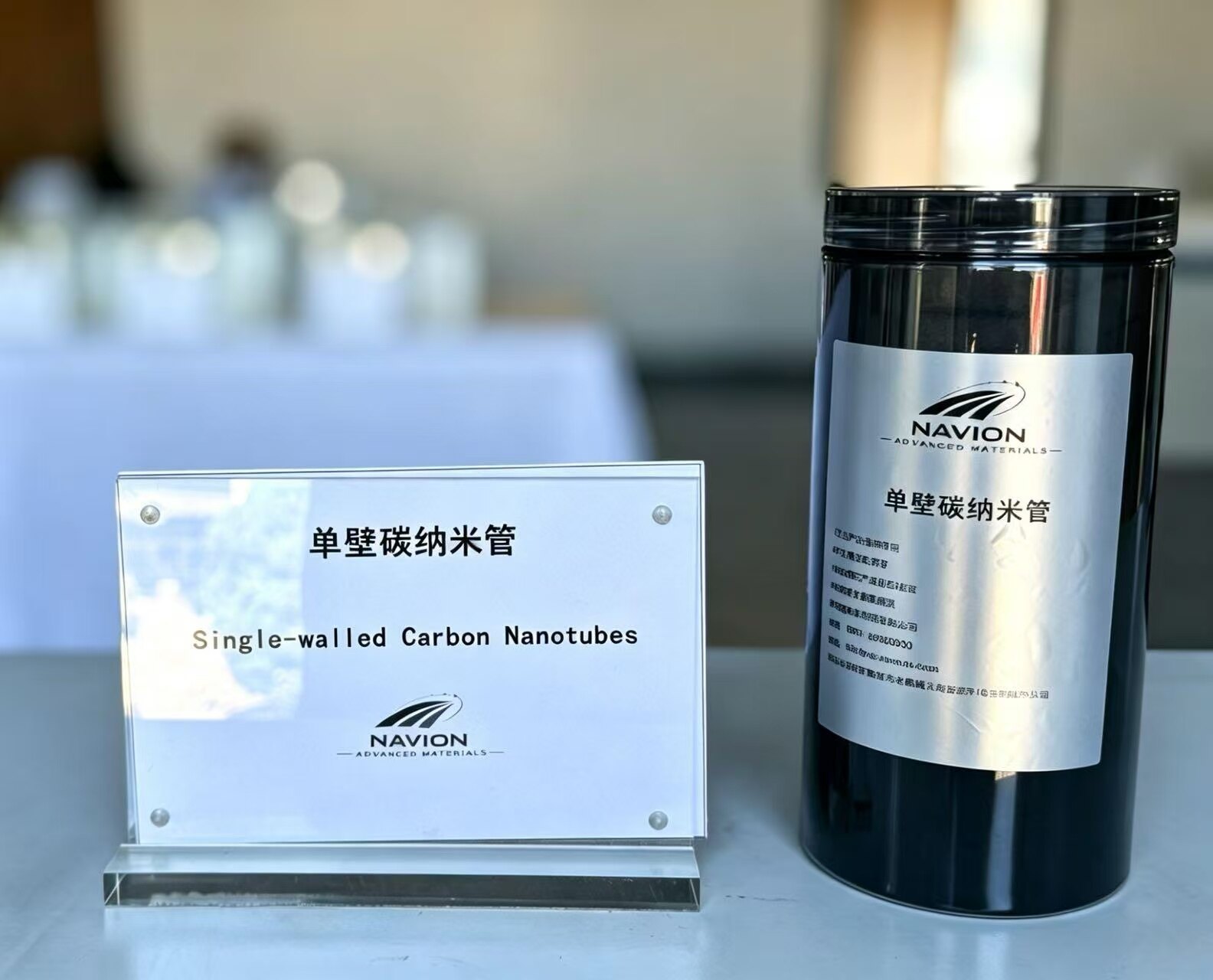
Historically, single-walled carbon nanotubes (SWCNTs) were confined to academic research papers and regarded as cutting-edge technology. In the second half of 2026, the industry reached a commercialization inflection point: orders began to emerge across multiple sectors—including power batteries, aerospace composites, semiconductor thermal management, and flexible electronics. SWCNTs are now moving out of the lab, transitioning from research samples to industrial-scale applications, with the window for domestic substitution officially opening.
Pioneering in the carbon-based new materials sectorNanhang New MaterialsFocused on the R&D and commercialization of single-walled carbon nanotubes, graphene, and other nano-carbon materials. We adhere to proprietary processes to build an autonomous and controllable new materials supply chain.
Through industry-academia-research collaboration, we continuously refine our processes to address common industry pain points: insufficient purity, high defect rates in tube walls, and significant batch-to-batch variability. Our self-developed physical arc-discharge method produces single-walled carbon nanotubes with uniform diameter distribution and superior crystallinity. These materials are ideal for new energy applications including sodium-ion batteries, silicon-carbon fast-charging batteries, and semi-solid/solid-state batteries, while also serving diverse frontier sectors such as aerospace composites, semiconductor clean manufacturing, and thermal management.
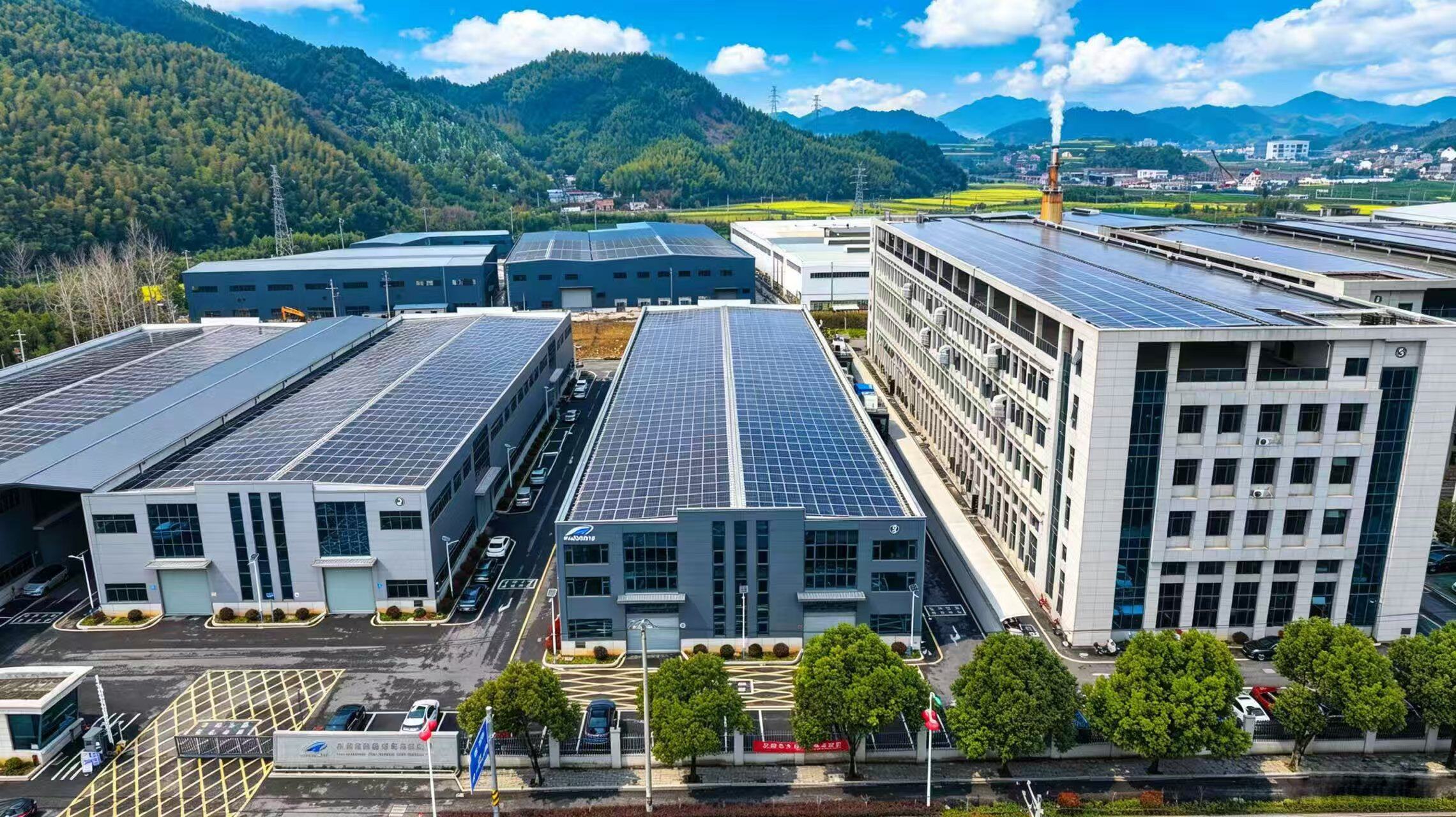
Competition in the new materials industry is never about production capacity numbers.True core strength is demonstrated through process precision, product purity, batch consistency, reliable supply capability, and comprehensive application solutions.。
As next-generation battery technologies accelerate and high-end downstream applications scale up, domestic material companies with proprietary core processes, stable mass production capabilities, and reliable service support are poised to seize new growth opportunities.
In the future, Nanhang New Materials will continue to deepen its focus on carbon-based new materials, continuously refine product performance, expand diverse application scenarios, and collaborate with upstream and downstream ecosystem partners. Through localized material innovation, we aim to support the high-quality, self-driven development of China's advanced new materials industry chain.